
Austin’s HIDDEN Terror Connection – Democrats Stay Silent
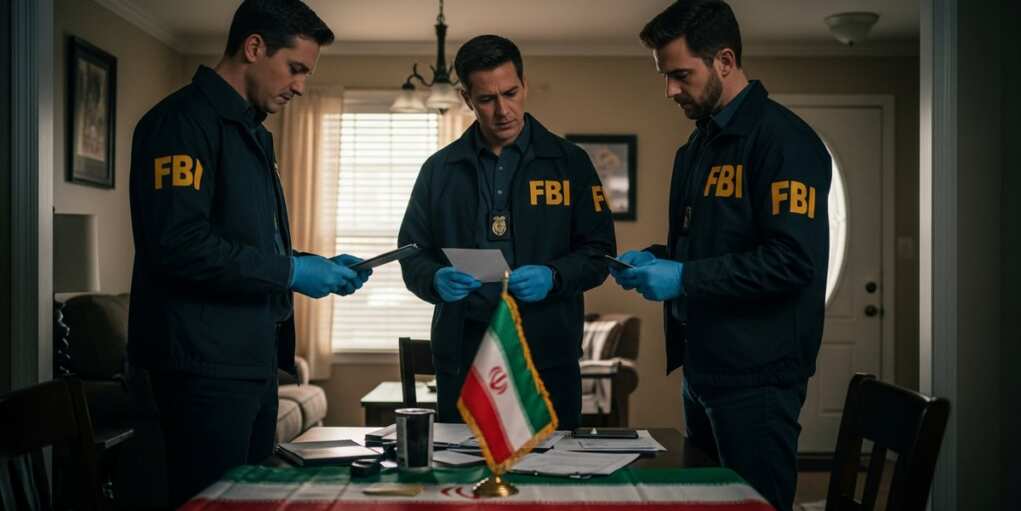
When Ndiaga Diagne opened fire in Austin, killing three and wounding seventeen, the media scrambled to spin a narrative. But the evidence found in his Pflugerville home told a story the Left does not want to hear – and that two Texas Democrats actively refused to acknowledge. An Iranian flag. Photos of Iranian leaders. A […]
The Sleeper Cell Clock Is Ticking — Insiders Blow The Whistle

Two days. That’s how long it took for the celebration to become a warning. Saturday, the U.S. and Israel launched “Operation Roaring Lion” and took out the top tier of Iran’s regime — including Supreme Leader Ayatollah Ali Khamenei himself. It was a historic strike. A decisive blow against a terror state that has chanted […]
WW3? Israel Attacks Iran In Full Assault

Saturday morning. While most of America slept, the world shifted on its axis. Israel announced it had struck “hundreds of targets” across western Iran as part of a joint U.S.-led military operation codenamed “Operation Roaring Lion.” The targets weren’t random military installations or empty warehouses hit for show. They went for the throat — missile […]
Medicaid Funding Halted, But For A GOOD Reason
There are government programs that waste money. There are government programs that lose money. And then there’s Minnesota, where a government program designed to help autistic children was hijacked by fraudsters who allegedly funneled stolen taxpayer dollars to a terrorist organization in East Africa. That’s not government waste. That’s a crime scene with a Medicaid […]
Trump To Start Tracking Bank Transfers, Here’s Why
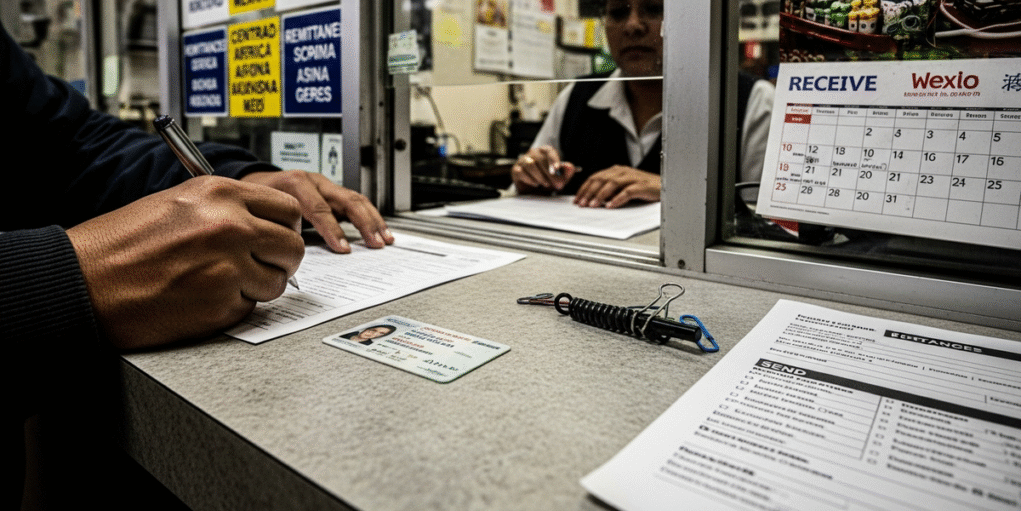
ICE raids make headlines. They generate footage of agents in tactical gear, protesters with megaphones, and cable news debates about enforcement tactics. Democrats have built their entire resistance strategy around the optics of raids — chaining themselves to fences, creating “rapid response” networks, filing lawsuits, and staging walkouts. The Trump administration just found a way […]
Anti-Whites On The Run! Trump Team Takes ACTION
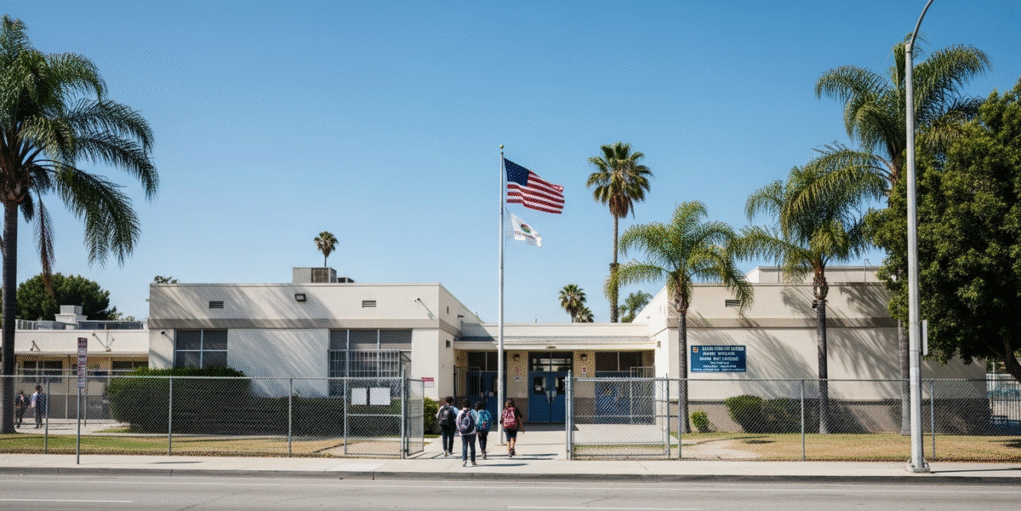
The Los Angeles Unified School District has a program. It’s called PHBAO — Predominantly Hispanic, Black, Asian, and Other. The name alone tells you everything. There’s a category for every race in America except one. White kids aren’t “predominantly” anything in this system. They’re the baseline against which disadvantage is measured. Here’s how it works. […]
Which Trump Will Run For Office Next?
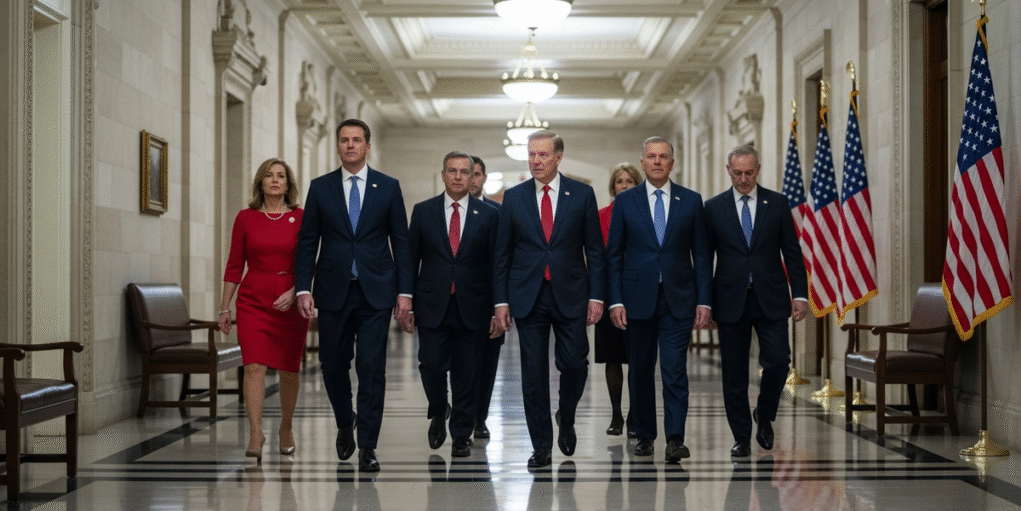
There’s a concept in politics called “bench strength.” It’s the depth of talent a party has waiting in the wings — the next generation of candidates ready to step up when the current stars leave the stage. Democrats have AOC fumbling geography in Munich and Gavin Newsom explaining why $450 million bought a 911 system […]
Apple Exposed! Incredible Bias Against Conservatives

You know that news feed on your iPhone? The one that shows up when you swipe right, the one that looks like a neutral summary of the day’s headlines? It’s not neutral. It’s not algorithmic. And it’s not random. It’s curated. By humans. Led by one woman. And the numbers just exposed what millions of […]
Tucker Carlson Was Right About Nixon (New Documents Reveal All)

For fifty years, the official history of Richard Nixon has been written in permanent ink. Crook. Criminal. The president who got caught and resigned in disgrace. Watergate was a straightforward morality tale — a corrupt president brought down by brave journalists and honest institutions. Except seven pages of sealed grand jury testimony just blew a […]
Billionaire’s Mass Migration Warning Goes Viral

In Britain, you can say almost anything — as long as it doesn’t upset the people running the country into the ground. Sir Jim Ratcliffe, one of the wealthiest men in the UK, chemical industry titan, and co-owner of Manchester United, just discovered exactly where that invisible line sits. He called mass immigration what it […]